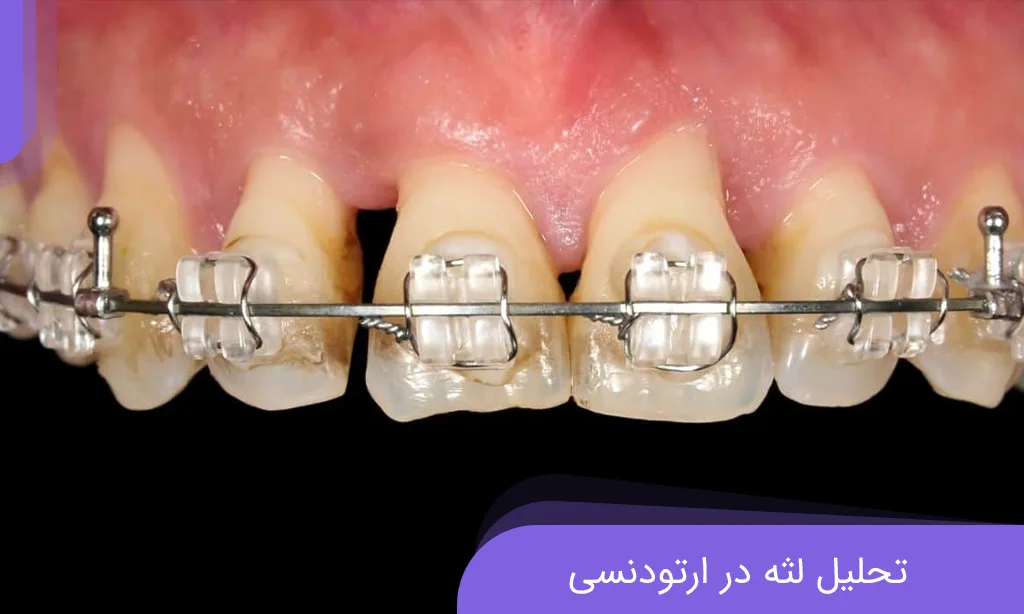
Gingival analysis in orthodontics is one of the common concerns of people who have braces or plaques. They use orthodontics. Sometimes, the patient notices that the gums recede or the teeth appear longer while brushing, and this raises doubts about permanent damage.
Gum receding can lead to increased tooth sensitivity, increased risk of tooth decay and cosmetic problems, and ignoring it affects dental health. Knowing the cause, symptoms and control methods of gingival recession will help you continue your orthodontic treatment safely.
In this article, we explain how gum analysis in orthodontics occurs, what are its symptoms and how can it be treated or prevented.
What is gum analysis in orthodontics?
Gum analysis in orthodontics refers to a situation where the gum tissue gradually recedes from the surface of the tooth and a larger part of the tooth root is exposed. This problem occurs when the pressure of the brackets and the speed of teeth movement are not in harmony with the condition of the gums or oral health care is not properly observed.
Not brushing and the accumulation of plaque around braces aggravates inflammation and gum disease and accelerates the process of analysis.
In such a situation, the gum becomes thinner and pulls back or part of the tissue is lost. This event leads to the creation of gaps or cavities between the teeth and gums and creates a suitable place for the accumulation of bacteria. The continuation of this process gradually reduces the strength of the tissue that supports the tooth.

Gum analysis during orthodontics if diagnosed in time, it can be controlled and treated, but neglecting it can cause problems for the health of the teeth and the continuation of the treatment process.
What is the cause of gum recession in orthodontics?
Gum analysis in orthodontics happens for various reasons, the most important of which are:
- Unbalanced pressure of brackets and wires: applying too much force or the wrong direction of the pressure of brackets to damaged gum tissue causes it to recede.
- Neglect of oral hygiene: cleaning teeth with braces is a difficult task. If you are not patient and careful enough, remaining mass and plaque around the braces increases the risk of gum infection, inflammation and finally its dissolution.
- Gum thinness or natural sensitivity: Some people have thinner gum tissue due to genetics and are more vulnerable to gum disease and decay. The orthodontic treatment plan of these people should include measures to protect the gums. This is especially important for adults who are planning orthodontics at 50 or older.
- Untreated gum diseases: The presence of inflammation or infection before starting orthodontics speeds up the analysis process. Therefore, before proceeding with orthodontics, you should make sure of the health of your gums and teeth. Especially before proceeding to orthodontics for the elderly, it is necessary to carefully examine the health of the gums and treat existing problems.
- Wrong brushing: Rough brushing or using an inappropriate toothbrush can damage the gums. Use special orthodontic toothbrushes to clean teeth and braces.
- Treatment planning and orthodontist skill: Improper planning of dental movements or inadequate monitoring during treatment greatly increases the likelihood of gum recession.

Dr. Khadevi, as the best orthodontist in Tehran, relying on his high experience and precise mastery of dental movements, designs a completely specific treatment plan for each patient so that the movement of teeth proceeds with minimal pressure on the gums and without complications. His brilliant history and high skill, along with regular follow-up, make the treatment safe, comfortable and with lasting results.
What are the symptoms of receding gums in orthodontics?
Early diagnosis Gingival analysis in orthodontics plays an important role in preventing the progression of damage. Knowing the early symptoms will help you see a specialist faster and maintain the health of your gums and teeth with timely measures.
The most important sign is receding gums and exposing more of the tooth root. But there are other symptoms that are considered to be warning signs of gingivitis in orthodontics:
- To make the teeth look longer
- appearance of the roots as a darker or yellow area near the gum line
- Sensitivity of teeth to cold, heat and even sweets Bleeding gums, especially when brushing or flossing
- Loose teeth
- Inflammation and redness of the gums around the brackets
- creating gaps or purulent cavities between teeth and gums
- Bitter taste and bad breath
- Feeling pain or discomfort in the gums and around the teeth

What should we do in orthodontics if we see signs of gingival recession?
On seeing any of the symptoms of gum recession, the first step is to immediately visit an orthodontist to accurately diagnose the cause of the problem and the severity of the damage. After the examination and review, the specialist can prevent the progress of gingivitis by modifying the treatment plan, adjusting the orthodontic forces and providing health recommendations.
Careful oral hygiene and using the right toothbrush and floss are very effective in controlling inflammation and protecting the gums. But note that visiting a general dentist or self-treatment cannot replace a specialist diagnosis and may aggravate the problem.

home treatment of gingivitis caused by orthodontic pressure
There is no home method to treat gingivitis caused by orthodontics and restore lost gum tissue. Measures introduced as home remedies for gingivitis treatment in orthodontics can reduce inflammation, relieve discomfort and slow the progression of receding gums. These methods act as a complement to specialized treatment and should not replace visiting an orthodontic specialist.
Effective home remedies to protect gums during orthodontic period:
- Turmeric: This substance has anti-inflammatory and antibacterial properties. Mix some turmeric with a little water or honey and gently apply it on the gums.
- Honey: natural honey has antibacterial and restorative properties. Massage a small amount of honey on the gums several times a day to reduce discomfort and inflammation.
- Coconut oil: massaging the gums with coconut oil destroys plaque and bacteria and reduces gum inflammation.
- Clove: This plant has anti-inflammatory and pain-relieving properties. Clove oil can be used topically.
- Aloe vera: Aloe vera gel reduces gum inflammation and helps heal damaged tissues.
- Warm salt water: Gargling with salt water several times a day reduces bacteria and heals weakened gums.
- Green tea: Green tea antioxidants reduce gum inflammation. This natural tea can be used as a mouthwash
How can we prevent gum recession in orthodontics?
Prevention of gingival recession in orthodontics is much simpler and more effective than its treatment. Observing the following tips will help maintain the health of the gums and end the treatment process without complications.

- Referring to a skilled orthodontic specialist: choosing a specialist with high experience and skill makes a safe and specific treatment plan planned for the person and orthodontic care points are fully taught to him. In this way, your teeth will be fixed without experiencing unpleasant side effects such as gum recession. Careful oral hygiene: regular brushing with a soft toothbrush and the use of special dental floss are essential to prevent plaque accumulation and gum inflammation.
- Anti-inflammatory or antibacterial mouthwash: using the right mouthwash helps to reduce the growth of bacteria and maintain the health of the gum tissue.
- Braces adjustment follow-up: Regular visits to an orthodontic specialist to check the pressure of wires and brackets and prevent damage to the gums are very important in preventing gum loss in orthodontics.
- Proper diet: eating soft foods and avoiding eating hard, sticky or very sweet foods that cause pressure and gum inflammation.
- Taking care of oral behaviors: leaving bad oral habits that put extra pressure on the teeth and gums, such as teeth grinding, biting hard objects, and nail biting.
- Regular examination of gum health: If you notice the slightest change or discomfort in the color and appearance of the gums, immediately visit an orthodontist to determine the cause and carry out specialized preventive or therapeutic measures.
Prevention of gingival degeneration in orthodontics under the supervision of Dr. Khediwi
Gum analysis in orthodontics is a common problem that can be prevented and controlled with proper care, hygiene and regular treatment follow-up. Timely diagnosis and correct measures maintain the health of the gums and teeth and help the orthodontic process to continue without complications and challenges.
Dr. Khadavi, with more than 25 years of experience, is considered one of the most experienced and best orthodontic specialists in Tehran. Dr. Khedevi's precision, experience and skill in designing a specific treatment plan allows the teeth to be moved with the greatest safety and the least pressure on the gums, and the results of the treatment are long-term and reliable.
By establishing three specialized orthodontic centers in Mirdamad, Tehranpars and Nawab, they have made it easy for patients to access specialized treatment. To get an orthodontic consultation appointment with Dr. Khadivi, fill out the reserve appointment form right now.